
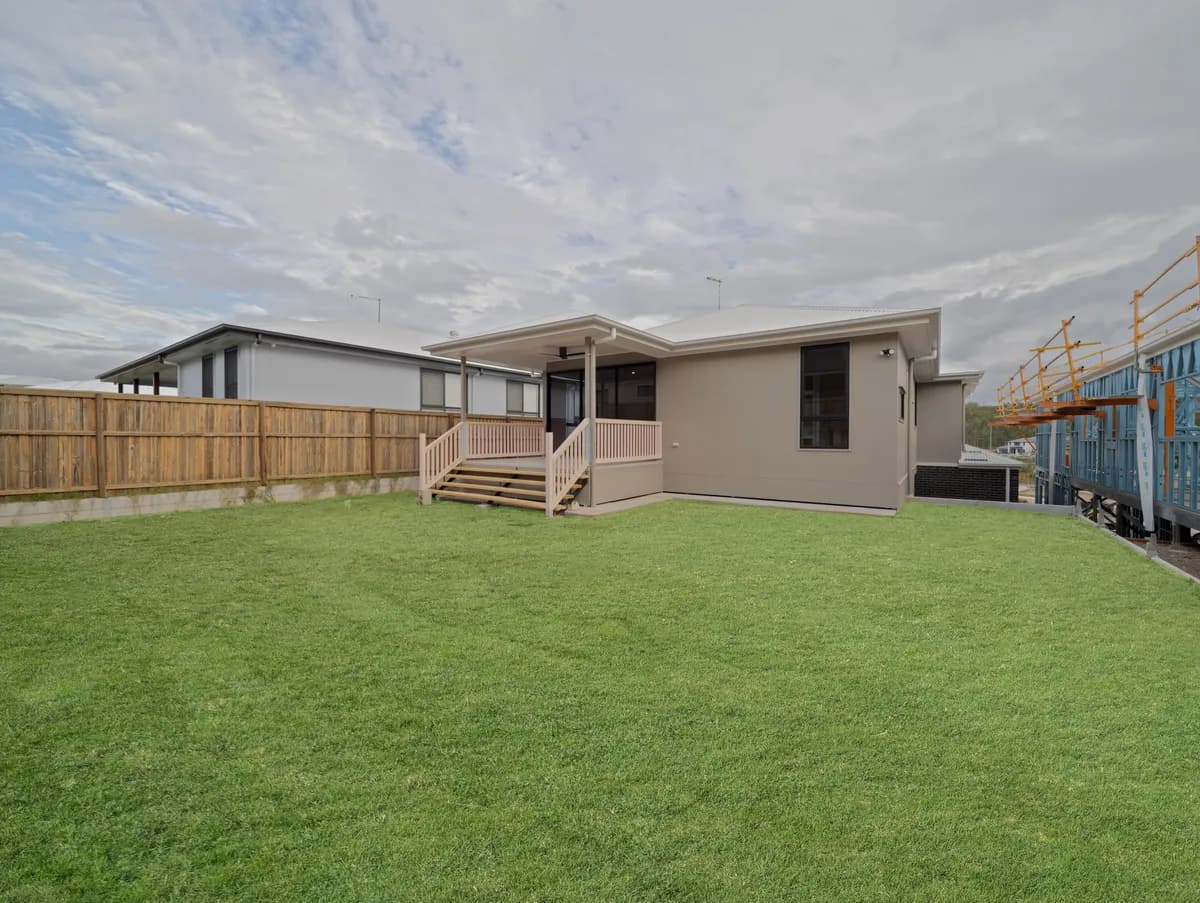
Multi-generational living is a cornerstone of Indian culture, and for NRI families in Australia, building a home that accommodates everyone — parents, grandparents, and children — is often the top priority.
Why Multi-Generational Homes Are Growing in Australia
The Australian Bureau of Statistics reports that multi-generational households are one of the fastest-growing household types in the country. For Indian-Australian families, this isn't a trend — it's tradition.
Benefits include:
- Shared childcare and eldercare responsibilities
- Stronger family bonds across generations
- Cost efficiency compared to maintaining multiple homes
- Cultural continuity — grandparents pass on language, values, and traditions
- Support for elderly parents who may have migrated as dependents
Key Design Considerations
1. Private Zones Within a Shared Home
The key to successful multi-generational living is balancing togetherness with privacy:
- Separate master suites with ensuite bathrooms for parents and grandparents
- Private sitting areas so grandparents have their own living space
- Separate entry points or a connected granny flat for true independence
- Soundproofing between bedrooms and living areas
2. Shared Community Spaces
Equally important are the spaces where family comes together:
- Large open-plan kitchen and dining for family meals
- Outdoor entertaining areas for gatherings and celebrations
- Puja room accessible to all family members
- Media/living room large enough for the whole family
3. Kitchen Design for Indian Cooking
Indian cooking has specific requirements that standard Australian kitchens don't address:
- Powerful rangehood (900CFM+) to handle spice-heavy cooking
- Separate masala/spice kitchen or butler's pantry for heavy cooking
- Gas cooktop for tawa, kadhai, and pressure cooker cooking
- Extra-deep sink for washing large vessels
- Ample pantry storage for bulk grains, lentils, and spices
- Tandoor or outdoor cooking area for weekend family cooking
4. Puja Room & Cultural Spaces
- Dedicated puja room in the north-east (Vastu-compliant)
- Space for a shoe rack near the entrance (shoes-off culture)
- Havan kund area in the backyard for outdoor ceremonies
- Guest bedroom for visiting relatives from India or interstate
5. Vastu Integration
- Home entrance facing north-east or east
- Kitchen in the south-east corner
- Master bedroom in the south-west
- Grandparents' suite in the south or west wing
- Children's rooms in the west or north-west
Floor Plan Ideas
Option A: Single-Storey with Wing Layout
A ground-floor home with separate wings — parent wing, grandparent wing, and children's wing — connected by shared living and kitchen spaces. Ideal for families with elderly parents who prefer single-level living.
Option B: Double-Storey with Ground-Floor Suite
Parents and children upstairs, grandparents' self-contained suite on the ground floor with its own bathroom, kitchenette, and sitting room. Ground floor includes shared kitchen and living areas.
Option C: Main Home + Attached Granny Flat
A full-sized family home with an attached or detached granny flat sharing the property. Each dwelling is self-contained but connected. This option also provides rental income potential if circumstances change.
Costs and Budget Planning
A multi-generational home in Queensland typically costs:
- 4-5 bedroom single-storey: $650,000 – $1,200,000
- 5-6 bedroom double-storey: $800,000 – $1,500,000+
- Main home + granny flat: $700,000 – $1,300,000
These include puja room, masala kitchen, upgraded ventilation, and standard Vastu-compliant layout adjustments.
Building with ARC
ARC Builders specialises in homes for Indian-Australian families. We understand multi-generational needs, Vastu principles, and the specific kitchen and cultural space requirements that make a house feel like home.
#1a1a1a]">Planning a multi-generational home? [Contact us for a free design consultation.