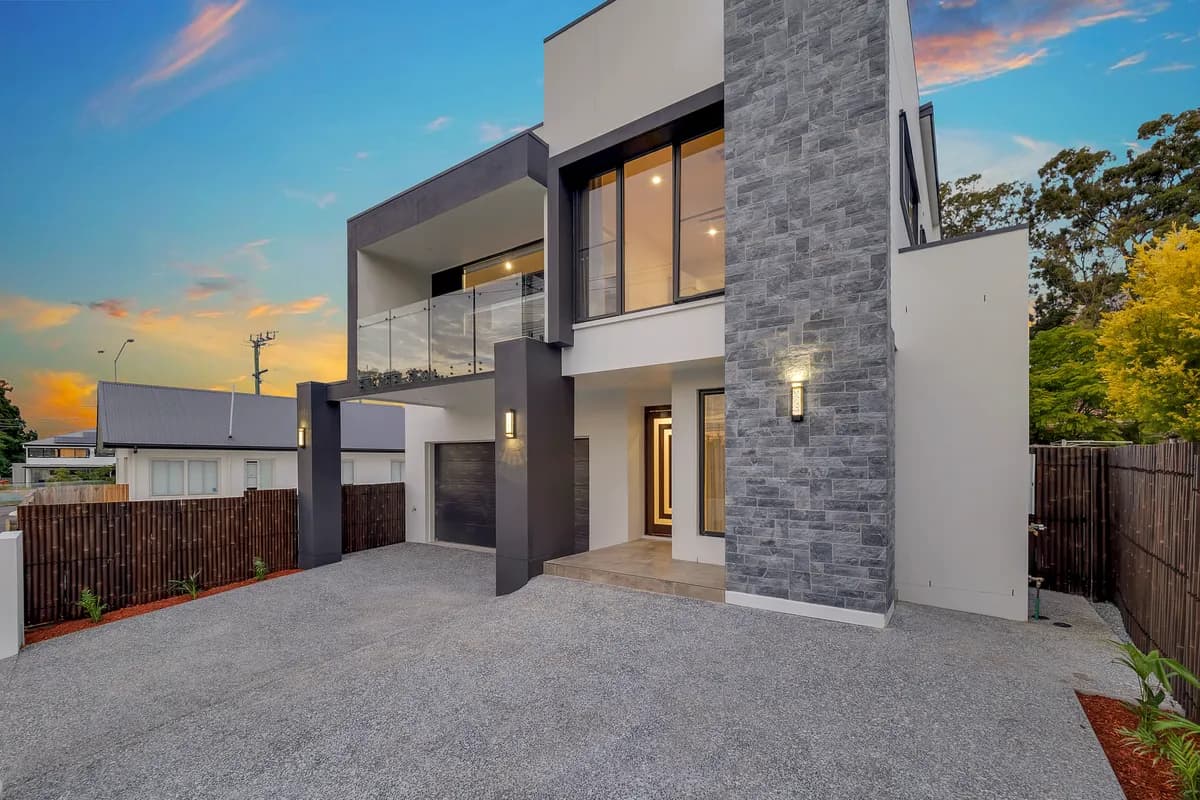
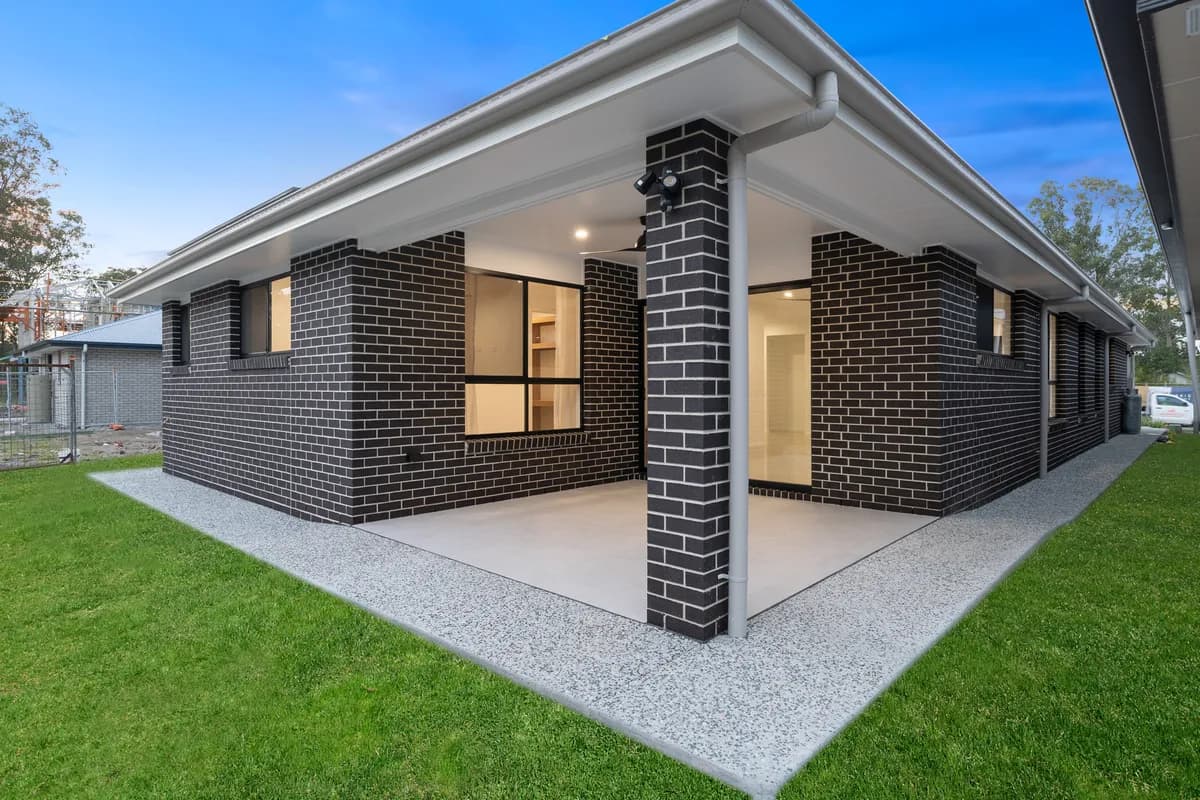
For Indian-Australian families, building a new home is the perfect opportunity to incorporate Vastu Shastra principles from the ground up. Unlike renovating, a new build lets you design every element — entrance direction, room placement, kitchen orientation — according to Vastu guidelines while meeting Australian building standards.
What Is Vastu Shastra?
Vastu Shastra is an ancient Indian science of architecture and spatial arrangement. Similar to Feng Shui but rooted in Vedic tradition, Vastu provides guidelines for designing homes that promote health, prosperity, and harmony by aligning with natural elements and directions.
For NRI families in Australia, Vastu represents a meaningful connection to cultural roots while building a modern home.
Key Vastu Principles for Australian Homes
1. Plot Selection & Orientation
- Square or rectangular plots are considered most auspicious
- North-east facing plots are ideal for overall prosperity
- In Queensland, north-facing homes also maximise natural light — a win for both Vastu and energy efficiency
- Avoid irregular or T-shaped plots where possible
2. Main Entrance (Brahmasthan)
The entrance is the most important Vastu element:
- North, north-east, or east-facing entrances are considered most auspicious
- The entrance should be well-lit and welcoming
- Avoid entrances facing south-west
- In Australian estate developments, we can work with existing lot orientations and adjust internal layouts accordingly
3. Room Placement
- Master bedroom: South-west corner for stability and grounding
- Kitchen: South-east corner (Agneya), associated with the fire element
- Puja room: North-east corner (Ishanya), the most sacred direction
- Living areas: North or east for positive energy flow
- Bathrooms: North-west or west side
- Children's rooms: West or north-west
4. Kitchen Design (Vastu Agneya)
The kitchen is particularly important in Vastu:
- The cook should face east while cooking
- The stove should be in the south-east corner
- Water elements (sink, dishwasher) should be in the north-east of the kitchen
- Avoid placing the kitchen directly above or below a bedroom
5. Puja Room Design
A dedicated puja room is essential for many Indian-Australian families:
- Ideally located in the north-east corner of the home
- Should have adequate ventilation and natural light
- The idol or image should face west (so you face east while praying)
- Use marble or light-coloured stone flooring
- Incorporate niches for diyas and storage for puja items
Modern Adaptations for Queensland Homes
Not every Vastu principle can be applied literally in Australian housing estates. Here's how we adapt:
- Fixed lot orientations: We adjust internal layouts to maximise Vastu compliance regardless of the lot's street frontage
- Building codes: Australian building codes take priority, but Vastu and code compliance are rarely in conflict
- Climate considerations: Queensland's subtropical climate means north-facing living areas are ideal for both Vastu and passive solar design
- Multi-generational layouts: We design homes with separate wings or granny flats that maintain Vastu principles for each living space
Why Build Vastu-Compliant with ARC?
At ARC Builders, we understand the cultural significance of Vastu for Indian-Australian families. We work with you and, if desired, your Vastu consultant to ensure every principle is respected — from the initial site assessment through to construction.
Our transparent pricing means you know exactly what Vastu-specific features cost, with no hidden surprises.
#1a1a1a]">Ready to build a Vastu-compliant home in Queensland? [Contact us for a free consultation with our team.